4 hr
Oranjestad Discover Scuba Diving Course for Beginners
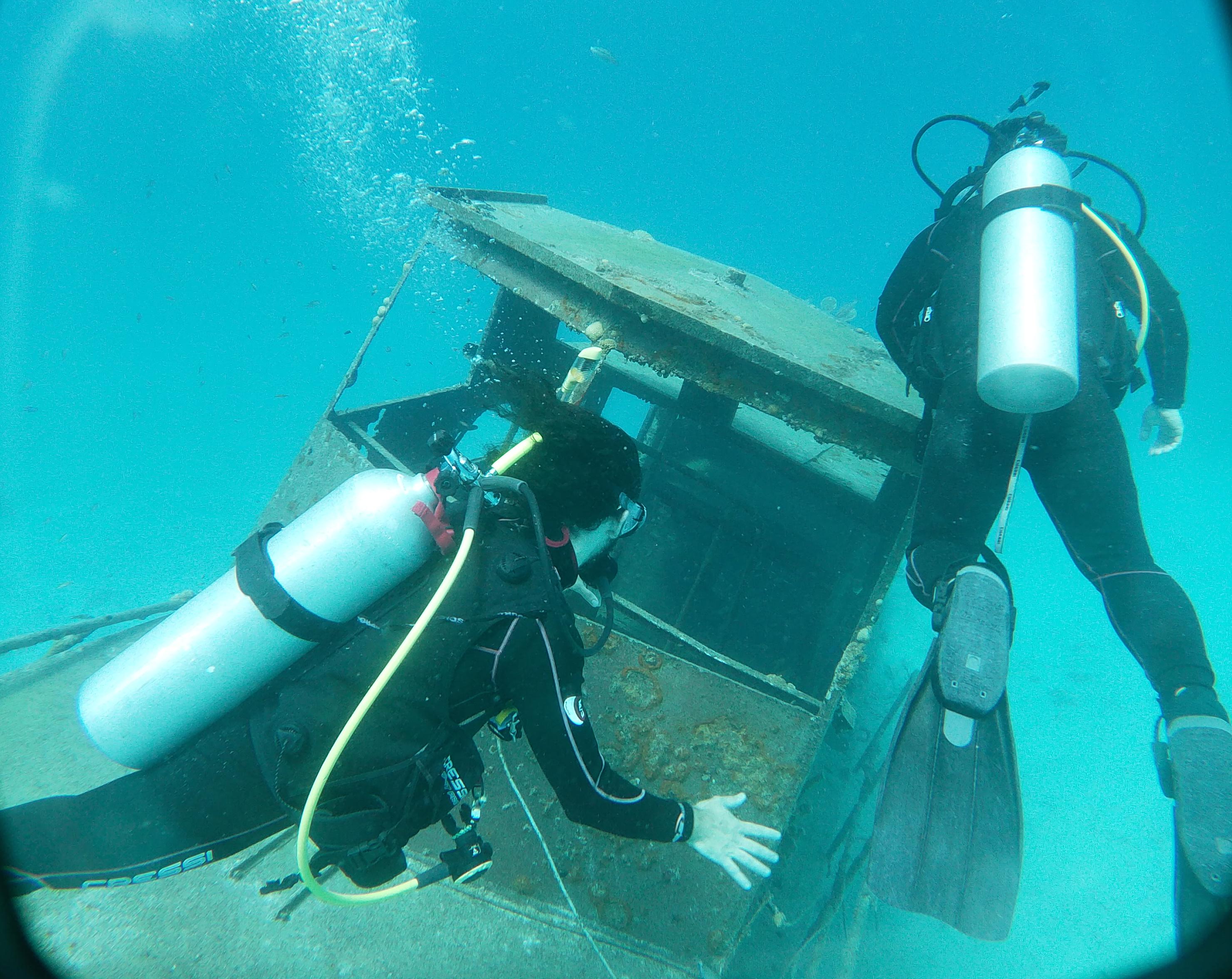
Try scuba diving for the first time with hotel pickup and a guided reef dive near Oranjestad.
Reserve
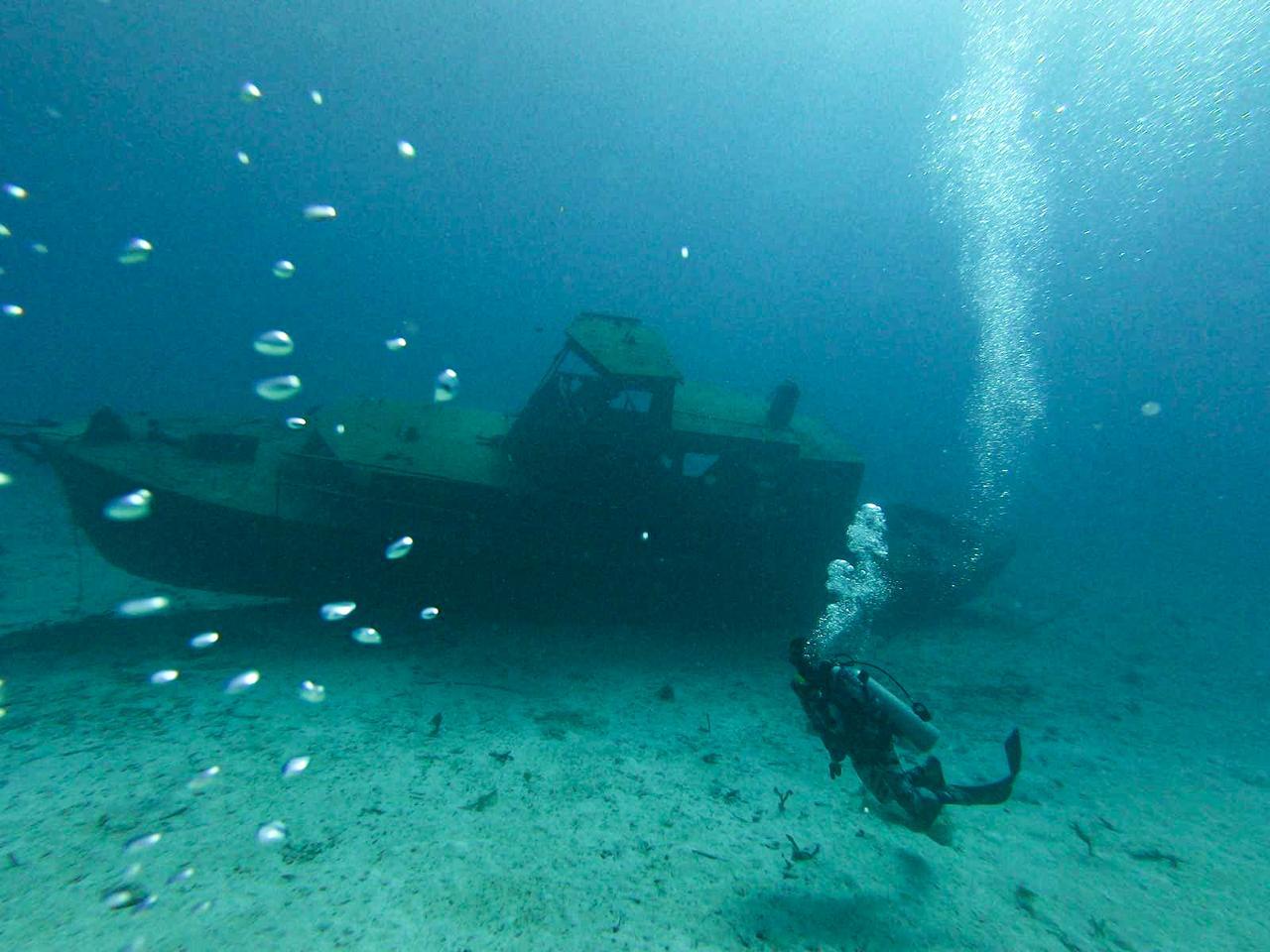
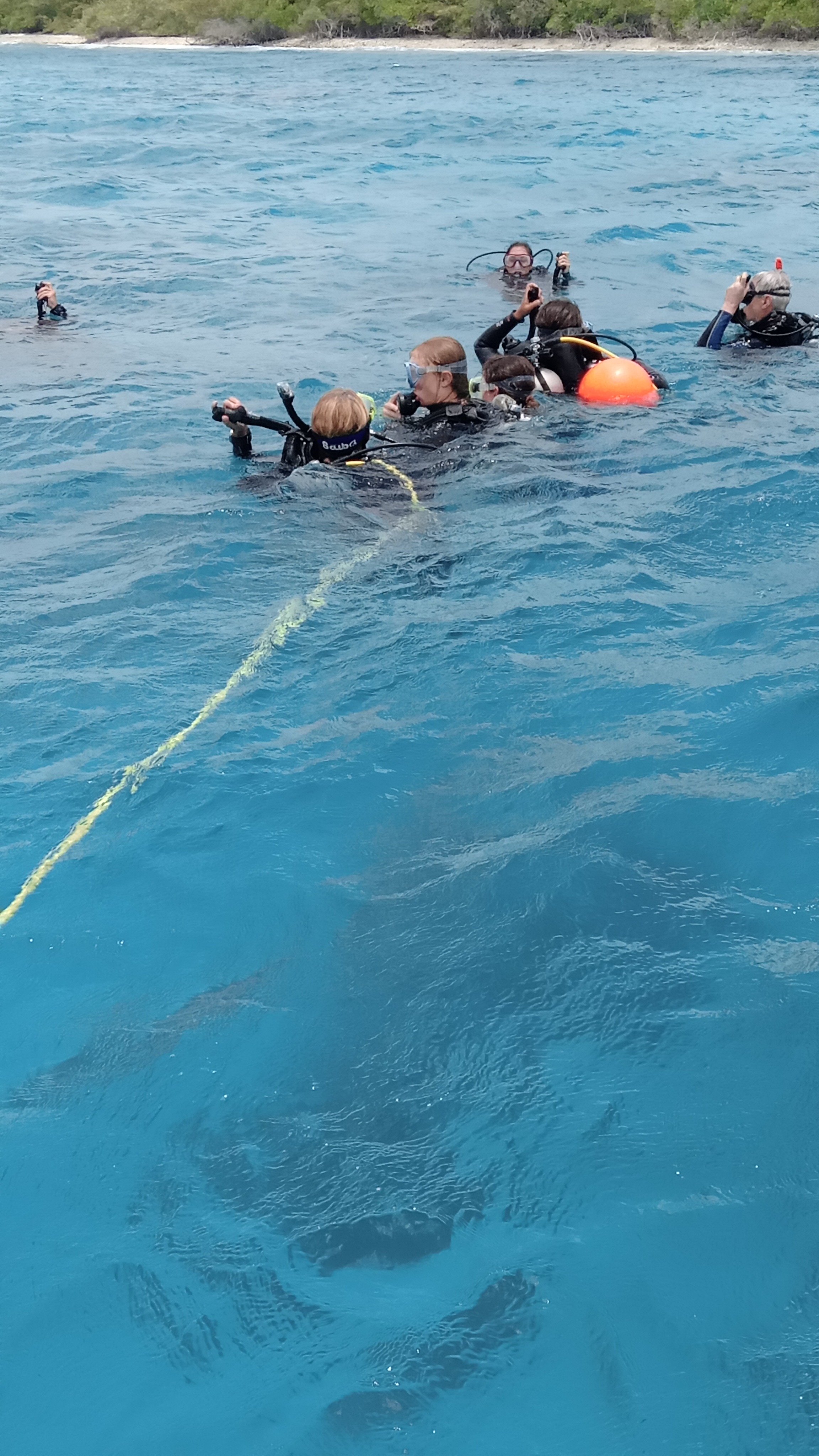
A freighter asleep since 1940, a reef grown over her ribs
Hand-picked by our editors — only the best 5 dive experiences from 112 reviewed.
Verified partners for every tour, free cancellation where available, and instant confirmation on every booking.
4 hr
Try scuba diving for the first time with hotel pickup and a guided reef dive near Oranjestad.
Reserve
3 hr
No certification needed, just dive into Aruba's calm waters with a pro by your side.
Reserve
3 hr
Two-tank dive exploring a sunken vessel surrounded by vibrant coral gardens and diverse reef life.
ReservePrices from verified partners. Availability updates in real time at checkout. Free cancellation policies apply where shown.
The landmarks, rooms, and views travelers on this tour remember — all visible on a single visit.
This massive 400-foot-long cargo ship remains the largest wreck in the Caribbean. Divers can swim along the exposed structural plating and observe the immense scale of the aruba scuba diving antilla wreck.
The engine room remains a highlight for those with penetration training. It showcases the intricate mechanical engineering of this historic WWII-era freighter.
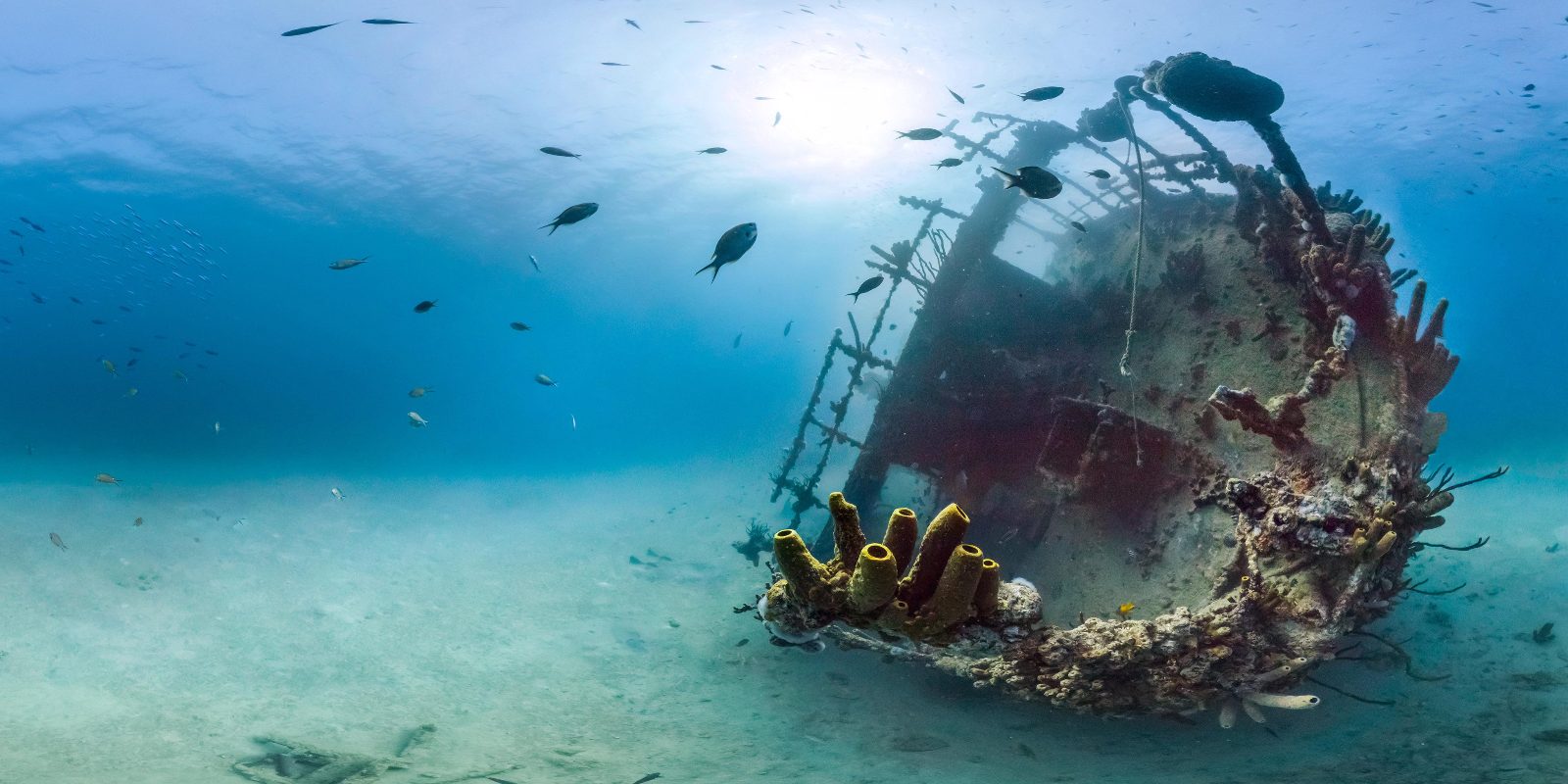
The wreck is covered in sponges and corals that attract schools of blue tangs and parrotfish. This artificial reef has become one of the most vibrant dive sites for aruba scuba diving antilla wreck tours.
The external propeller shaft provides a clear view of the ship's propulsion design. It is often surrounded by curious angelfish near the seabed of the aruba scuba diving antilla wreck.
The bow section offers a dramatic silhouette against the ocean backdrop. It is one of the most photographed segments for those on an aruba scuba diving antilla wreck tour.
The Antilla offers a vast, deep-sea exploration experience for advanced divers, while the shallow Pedernales provides a relaxed, fragmented observation of maritime history. Booking aruba scuba diving antilla wreck tours ensures access to the island's most substantial submerged structure.
| Feature | Top pick Antilla Wreck | Pedernales Wreck |
|---|---|---|
Ship size |
400 feet (122 m) | Fragmented tanker sections |
Historical significance |
German WWII freighter | WWII oil tanker remnants |
Depth |
40–60 feet (12–18 m) | 25 feet (8 m) |
Current strength |
Moderate to strong | Light to calm |
Marine life density |
High concentrations of coral | Frequent schooling fish |
Difficulty level |
Intermediate to advanced | Beginner-friendly |
| See tickets → |
Verdict: Choose the Antilla for a large-scale underwater adventure, or select the Pedernales when looking for easier aruba scuba diving antilla wreck tickets that accommodate entry-level skills.
Choose your ticket, select your date, and reserve in under two minutes. Secure checkout handled by our verified partner.
Instant confirmation by email, with a mobile voucher you can save offline. No printing, no queuing at a collection desk.
Arrive at the entrance, show your voucher on your phone, and walk in. Most tickets include priority or skip-the-line access.
Best time to go, insider tips, nearby landmarks, and the cancellation fine print — flip through to skim what matters to you.
How crowds, weather, and events shift across the year.
Visibility is excellent with calm seas ideal for the aruba scuba diving antilla wreck.
Water temperatures reach their annual peak during these months.
Fewer crowds provide a more personal experience at the site.
Winds can be stronger but the wreck remains accessible.
Small details that turn a good visit into a great one.
Arrive between 08:00–11:00 for the calmest surface conditions at the aruba scuba diving antilla wreck.
Always listen to the boat captain regarding local current strength before entry.
Verify all gear functionality before leaving the shore for your dive.
Maintain close proximity to your partner throughout the aruba scuba diving antilla wreck tour.
Choose a reputable shop that offers insurance and emergency oxygen on board.
Non-bookable sights within a short walk — free to visit, easy to pair.
A quiet bay with excellent snorkeling access. It serves as a great secondary stop for water activities.
Historic landmark offering panoramic views of the island coastline. It is a prominent visual marker from the water.
Flexible, no hidden fees.
Full refunds are typically provided for cancellations made at least 24 hours in advance. Please refer to your specific operator's terms for details regarding the 0 USD entrance fee and equipment rentals.
Hand-picked options within walking distance — pick a district for vibe, or a specific hotel for convenience.
Coastal district with high-end dive resorts.
Popular area with various vacation rentals.
The Antilla was less than a year old when her crew sank her. Built in Hamburg in 1939, the 400-foot cargo vessel lay anchored off Aruba's northwest shore when Germany invaded the Netherlands on 10 May 1940. Ordered to surrender by Dutch authorities, Captain Ferdinand Schmidt opened the seacocks and set fires in the hold instead. She listed, broke her own back, and settled onto her port side in roughly 18 metres of water. The result is the dive logged today as Aruba Scuba Diving Antilla Wreck. Eighty-six years later, she remains among the largest accessible shipwrecks in the Caribbean. Scale explains much of the pull. Two cargo holds stand open like cathedral naves. Dive boats running Aruba Scuba Diving Antilla Wreck tours moor above plating that still breaks the surface off Malmok Bay. Depth is modest — the keel rests near 18 metres, the upper hull within six — placing the whole structure inside recreational no-decompression limits. Few wrecks of this size ask so little of a diver. Time has converted steel into substrate. Tube sponges and orange cup coral sheet the hull plating. Brain coral colonises the winches. Lobster shelter in the propeller shaft tunnel. Schools of yellowtail snapper hold station in the lee of the bulkheads, while French angelfish patrol the collapsed superstructure and green moray eels occupy the cable runs. Spotted eagle rays pass over the bow in open water. Marine biologists working the Malmok Bay shelf treat the hull as an artificial reef, a measurable island of biomass on an otherwise sand-and-rubble bottom. Aruba shipwreck diving owes much of its reputation to this single hull. Her nickname, the Ghost Ship, came from the superstructure that stood above the waterline for decades before storms flattened it. What remains below is legible: davits, boilers, and the mast lying across the sand at an angle photographers have reproduced for fifty years. Antilla wrak duiken, as Dutch-speaking visitors call it, now anchors the island's dive economy. The Aruba Scuba Diving Antilla Wreck tour has become the local standard for a serious dive site, and the ship remains the benchmark against which the island's other hulls — the Jane Sea, the Pedernales — are judged.
"Time has converted her steel into substrate: tube sponges on the plating, brain coral on the winches."
Please contact us for more information.