
4 hr
Oranjestad Discover Scuba Diving Course for Beginners
No experience needed: learn the basics and dive the Mangel Halto Reef with a PADI pro.
Reserve
Hand-picked by our editors — only the best 5 certification and dive experiences from 18 reviewed.
Verified partners for every tour, free cancellation where available, and instant confirmation on every booking.
4 hr
No experience needed: learn the basics and dive the Mangel Halto Reef with a PADI pro.
Reserve
3 hr
Dive beneath Aruba's turquoise waters with expert guidance—no certification needed, just curiosity.
Reserve
3 hr
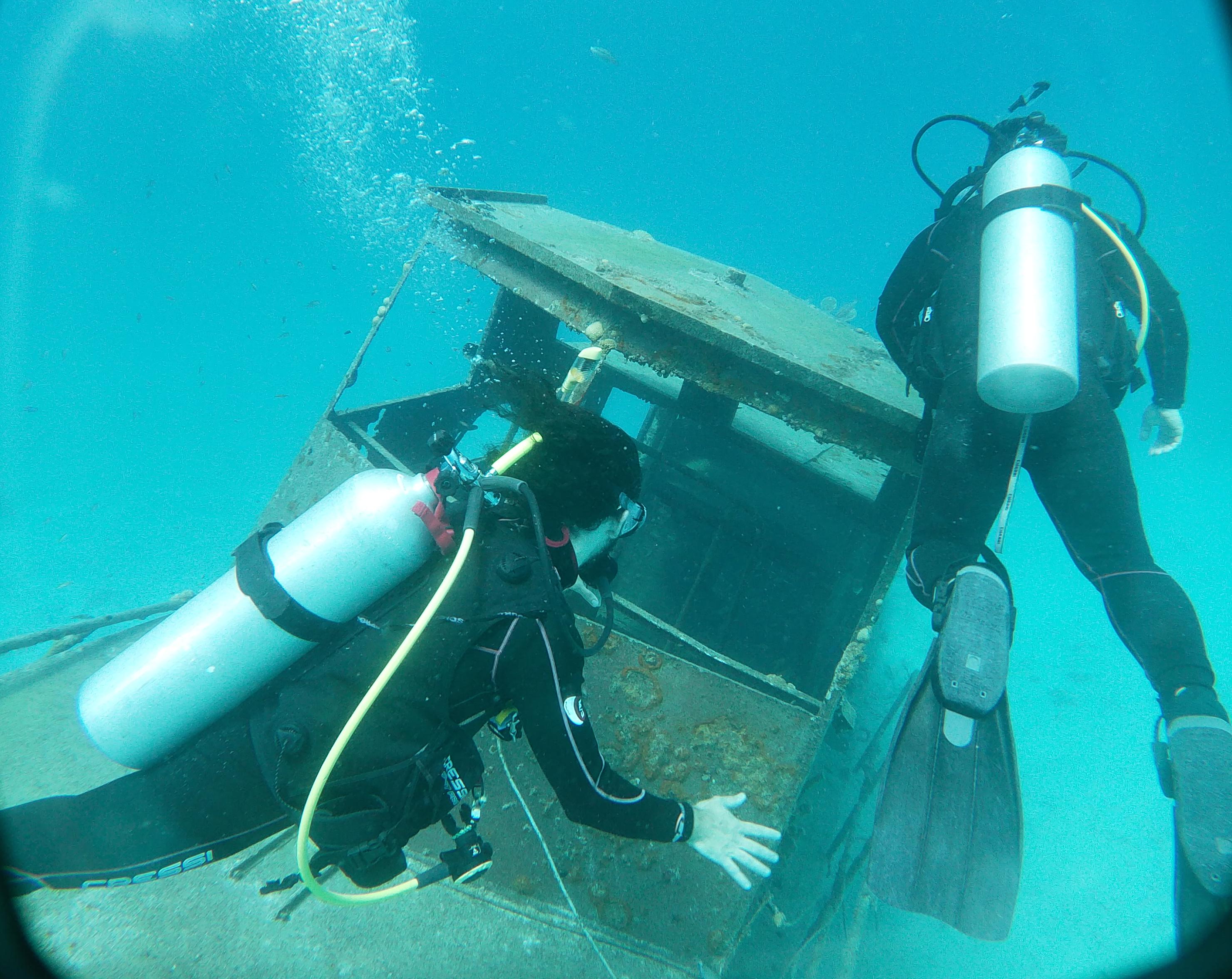
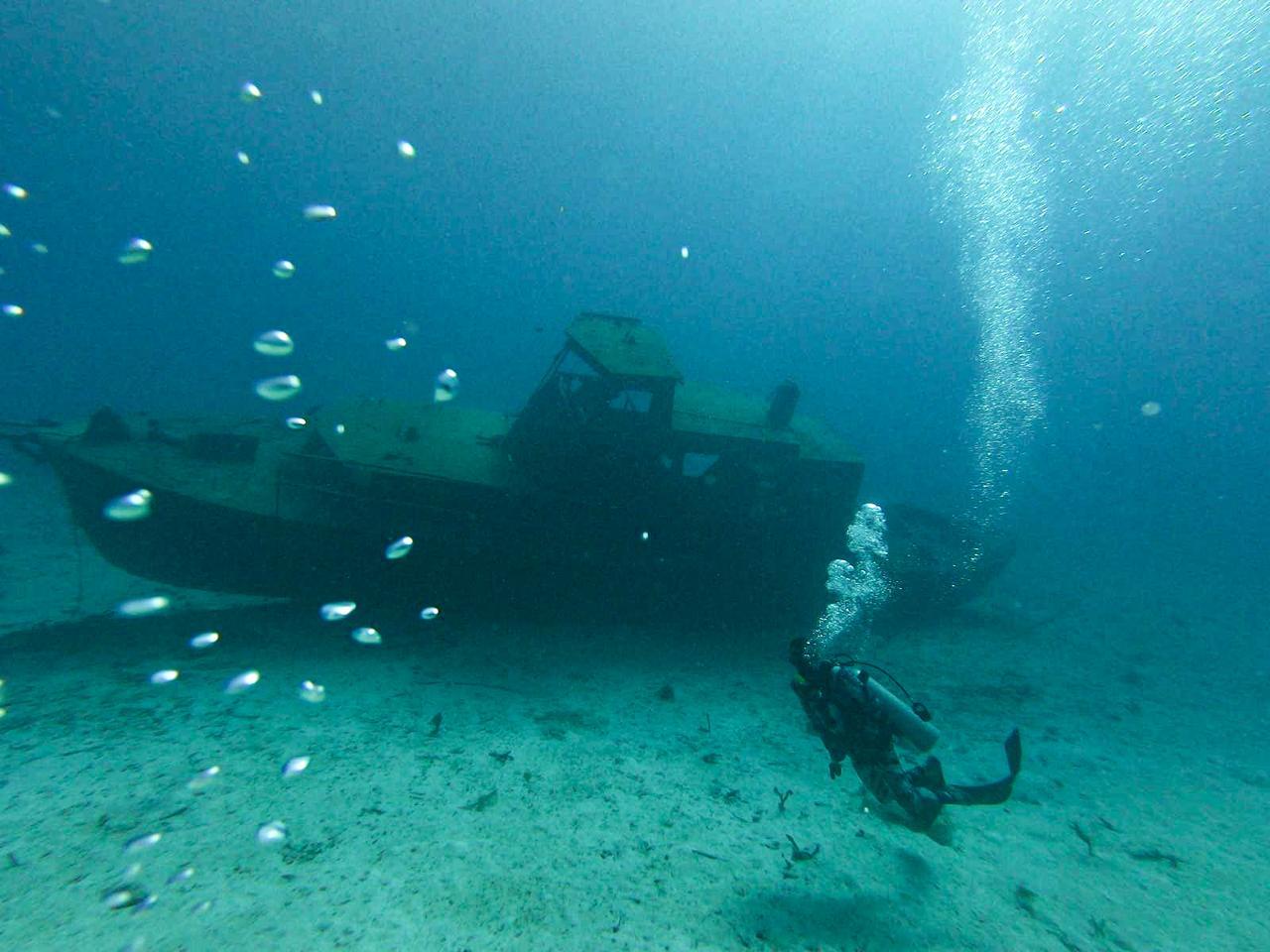
Two-tank dive to Aruba's Jane Sea wreck with a PADI instructor, gear, snacks included.
ReservePrices from verified partners. Availability updates in real time at checkout. Free cancellation policies apply where shown.
The landmarks, rooms, and views travelers on this tour remember — all visible on a single visit.
This 400-foot-long freighter is one of the largest shipwrecks in the Caribbean and features massive interior holds. It rests in roughly 60 feet of water and is a highlight for advanced certification training.
Aruba provides a superior environment for shipwreck exploration, while Curacao offers unparalleled convenience for shore-based training. They complement each other; most visitors who do both call the aruba scuba diving certification tours the more distinct maritime experience.
| Feature | Top pick Aruba Diving | Curacao Diving |
|---|---|---|
Certification focus |
Shipwrecks and boat dives | Shore-based reef access |
Primary environment |
Sandy flats and wrecks | Coral-rich fringing reefs |
Shore accessibility |
Limited | High access to reef entries |
Shipwreck density |
High concentration | Moderate frequency |
Ease of travel |
High (major hub) | Moderate (requires transit) |
Island atmosphere |
Resort-centric | Authentic Dutch-Caribbean |
| See tickets → |
Verdict: Select aruba scuba diving certification tickets if you prefer historical wrecks and boat excursions, or choose Curacao if you seek independent aruba scuba diving certification tour options along accessible shorelines.
Choose your ticket, select your date, and reserve in under two minutes. Secure checkout handled by our verified partner.
Instant confirmation by email, with a mobile voucher you can save offline. No printing, no queuing at a collection desk.
Arrive at the entrance, show your voucher on your phone, and walk in. Most tickets include priority or skip-the-line access.
Practical details for your visit straight from our verified partners — hours, access, rules, and how to get there.
Various
Most centers meet at their shop for gear fitting
Rental vehicles are the most reliable way to reach shops in Noord
Participants should arrive in comfortable swimwear or light beach attire suitable for fitting into a wetsuit. You will need to change into your gear at the facility prior to boarding the boat for your aruba scuba diving certification.
Most dive shops provide secure lockers for personal belongings during your session. Keep valuable items at your hotel as many boats have limited space for large bags.
Underwater cameras are encouraged for your aruba scuba diving certification. Ensure your device is secured to your BCD to prevent loss or reef damage.
Dive operators in Aruba can accommodate various mobility levels with advanced notice. Discuss your specific requirements during the booking of your aruba scuba diving certification tour.
Use phones only for land-based coordination. They are not permitted on dive boats during active sessions for safety reasons.
Children must meet minimum age requirements set by the certifying agency. Many centers offer introductory programs for younger swimmers interested in local aruba scuba diving certification tickets.
Carry reusable water bottles to stay hydrated between dives. Most operators provide light snacks, but lunch is generally not included in standard course pricing.
Animals are not permitted on dive vessels or inside training pools. Please arrange pet care prior to your departure.
Always verify your medical status before starting an aruba scuba diving certification. Courses require a completed medical questionnaire to ensure safety.
Best time to go, insider tips, nearby landmarks, and the cancellation fine print — flip through to skim what matters to you.
How crowds, weather, and events shift across the year.
Mild temperatures and clear water ideal for beginners
Small details that turn a good visit into a great one.
Aruba's afternoon trade winds can affect boat departures. Schedule your training for the morning arrival window.
Non-bookable sights within a short walk — free to visit, easy to pair.
Historic structure providing panoramic island views
Flexible, no hidden fees.
Full refunds are typically provided for cancellations made at least 48 hours before the scheduled dive training. The entrance fee of 0 USD is not applicable as courses carry individual service costs.
Hand-picked options within walking distance — pick a district for vibe, or a specific hotel for convenience.
High-end resorts near major dive operators
Aruba's transparent visibility averages twenty-seven to thirty metres year-round, a clarity that draws first-time divers seeking certification under ideal conditions. The island's southern coast remains sheltered from prevailing trade winds, creating calm, low-current sites where beginners master neutral buoyancy and regulator recovery without the challenges of surge or cold water. Since the early 1990s, when Dutch and Venezuelan operators established the first permanent dive centers, Aruba has built a reputation for structured, safety-focused instruction that follows Professional Association of Diving Instructors protocols. Warm twenty-six to twenty-nine degree Celsius water eliminates thick exposure suits, allowing new divers to concentrate on core skills rather than thermal management. The island's underwater landscape comprises shallow coral gardens, vertical walls, and nine major shipwrecks positioned between five and thirty-five metres, offering varied environments for confined-water training and certification dives. Mangel Halto Reef and Boca Catalina serve as primary training sites, their sandy bottoms at eight to twelve metres providing stable platforms for skill demonstrations. Open water certification courses typically span three to four days, with two classroom sessions, two confined-water sessions in shallow bays, and four open-water dives completing the PADI curriculum. Aruba scuba diving certification programmes accommodate single travellers and families, with instructors fluent in English, Dutch, Spanish, and Papiamento. The Jane Sea wreck, deliberately sunk in 1988 at twenty-seven metres, represents a popular advanced training site where newly certified divers return for buoyancy practice and wreck penetration. Certification-seeking visitors arrive from North America and Europe between April and September, when summer schedules allow multi-day instruction blocks. Aruba's compact geography places most dive centers within fifteen minutes of Noord's hotel zone, reducing transit time and maximizing water exposure. Entry-level certification opens access to shore dives at Arashi Reef and boat trips to the Antilla wreck, a World War II German freighter resting at eighteen metres.
"Aruba's twenty-seven to thirty-metre visibility and calm southern reefs create ideal conditions for first-time certification."
A step-by-step walkthrough of the visit — what you'll see, how long each stage takes, and the details that matter.
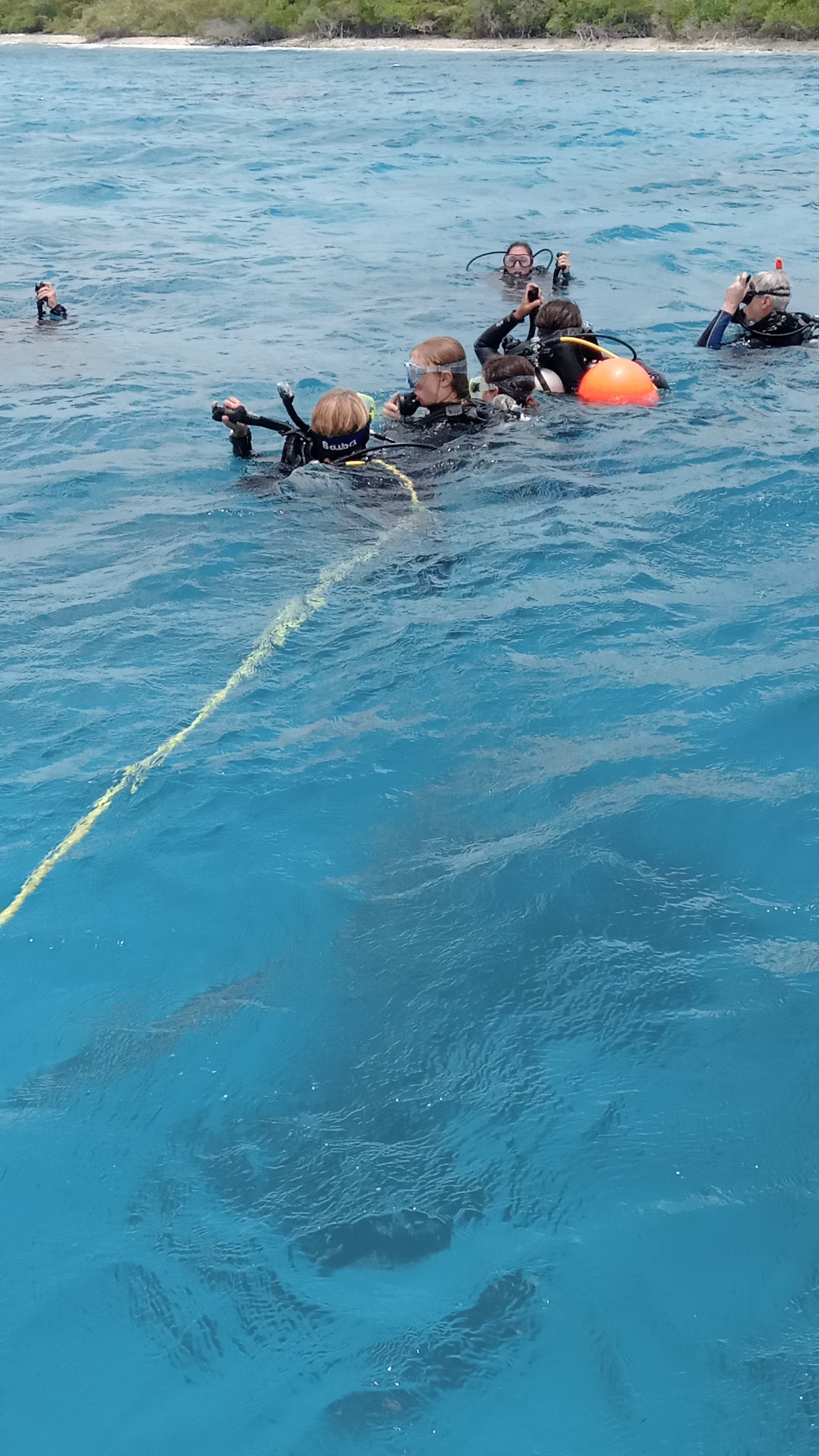
You arrive at the dive center by eight in the morning, sign liability forms, and watch a thirty-minute video on regulator operation and equalization techniques. The instructor fits you with a buoyancy control device, reviews hand signals, and leads you to Boca Catalina's waist-deep shallows for confined-water training. You kneel on sand at two metres, clear your mask three times, retrieve a dropped regulator, and practice controlled ascents. The water's warmth eliminates thermal distraction. Day two takes you to Mangel Halto Reef for your first certification dive. You descend a mooring line to ten metres, perform a five-point hover check, and follow the reef's eastern edge for twenty-five minutes, your instructor correcting fin technique and air consumption. Parrotfish graze staghorn coral; a hawksbill turtle crosses your path at twelve metres. By day three you complete navigation exercises with a compass, swim a square pattern, and surface within three metres of your entry point. Your fourth dive explores the Jane Sea's superstructure at twenty-seven metres, where you log thirty minutes of bottom time and ascend with a safety stop at five metres. The instructor signs your logbook; you receive a temporary certification card before departing the center.
Most facilities operate from 08:00–17:00 daily to accommodate training schedules.
Aim to arrive between 08:00–11:00 to ensure optimal conditions for boat dives and training.
There is a 0 USD entrance fee; however, courses and equipment rental carry their own costs.
Yes, you can secure your spot online through the official site for various course levels.
Bring a swimsuit, towel, reef-safe sunscreen, and your personal identification.
Yes, minimum age requirements apply and are set by the certifying agency for safety.
Most visitors use rental cars or taxis to reach dive centers located in Noord or Oranjestad.
Yes, cameras are welcome provided they are properly secured to your gear.
Cancellations should be made at least 48 hours prior to your session for a full refund.