4 hr
Beginner Scuba Discovery at Mangel Halto Reef
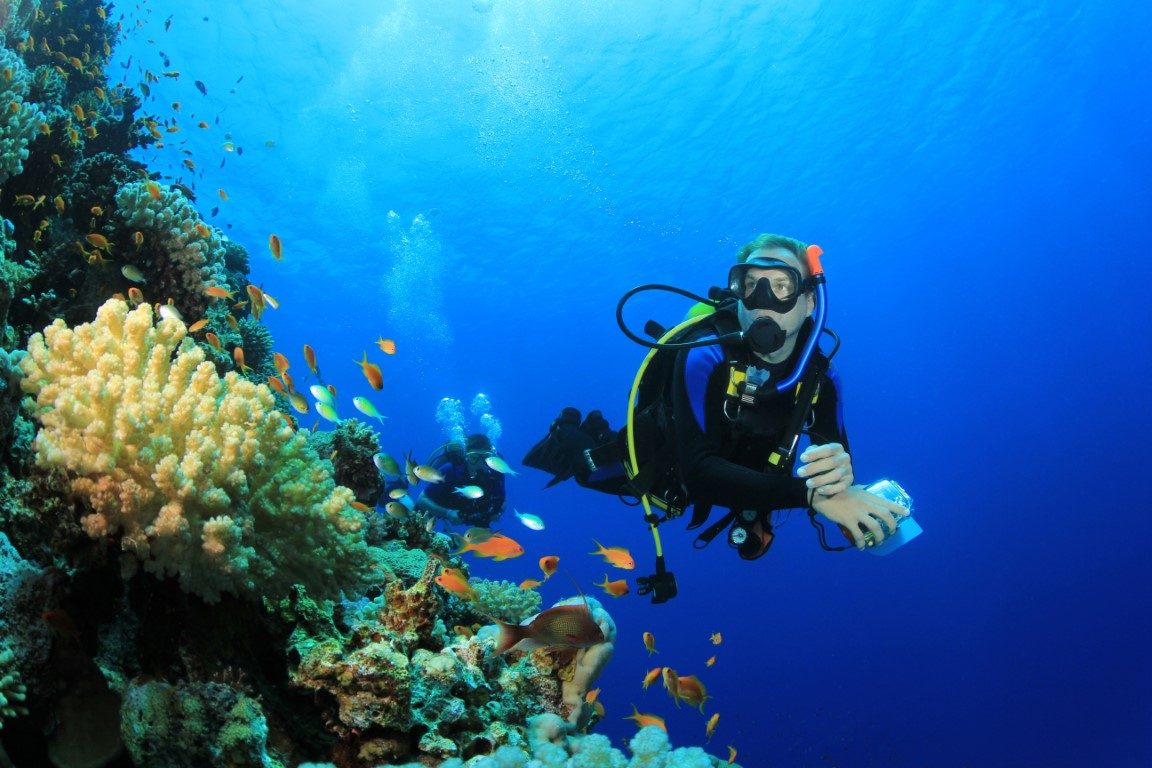
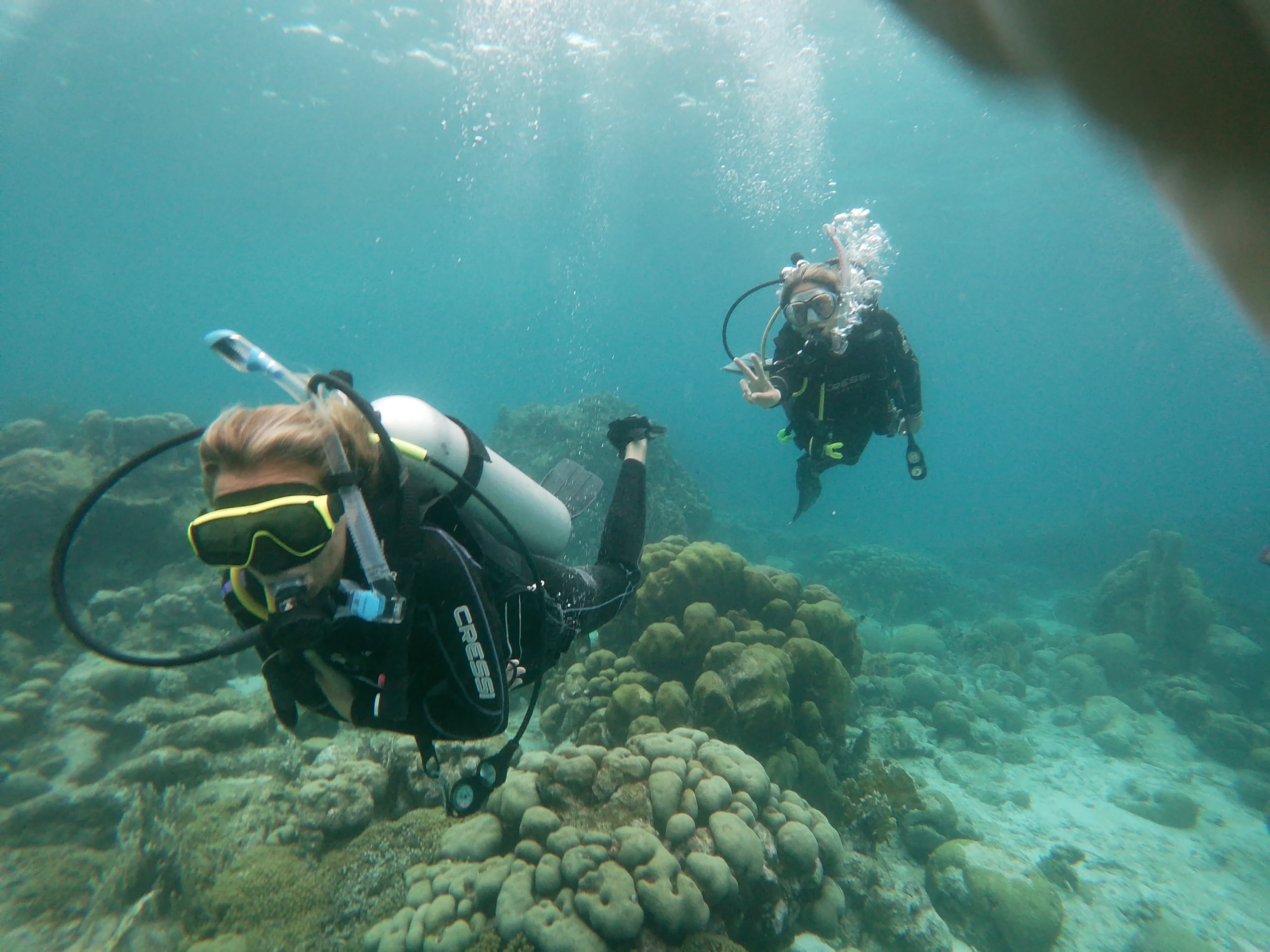
First-time dive experience with professional instruction, shallow-water practice, and a guided reef exploration.
Reserve
Morning light falls through forty feet of water, the reef wakes slowly.
Hand-picked by our editors — only the best 5 experiences from 140 reviewed.
Verified partners for every tour, free cancellation where available, and instant confirmation on every booking.
4 hr
First-time dive experience with professional instruction, shallow-water practice, and a guided reef exploration.
Reserve
4 hr
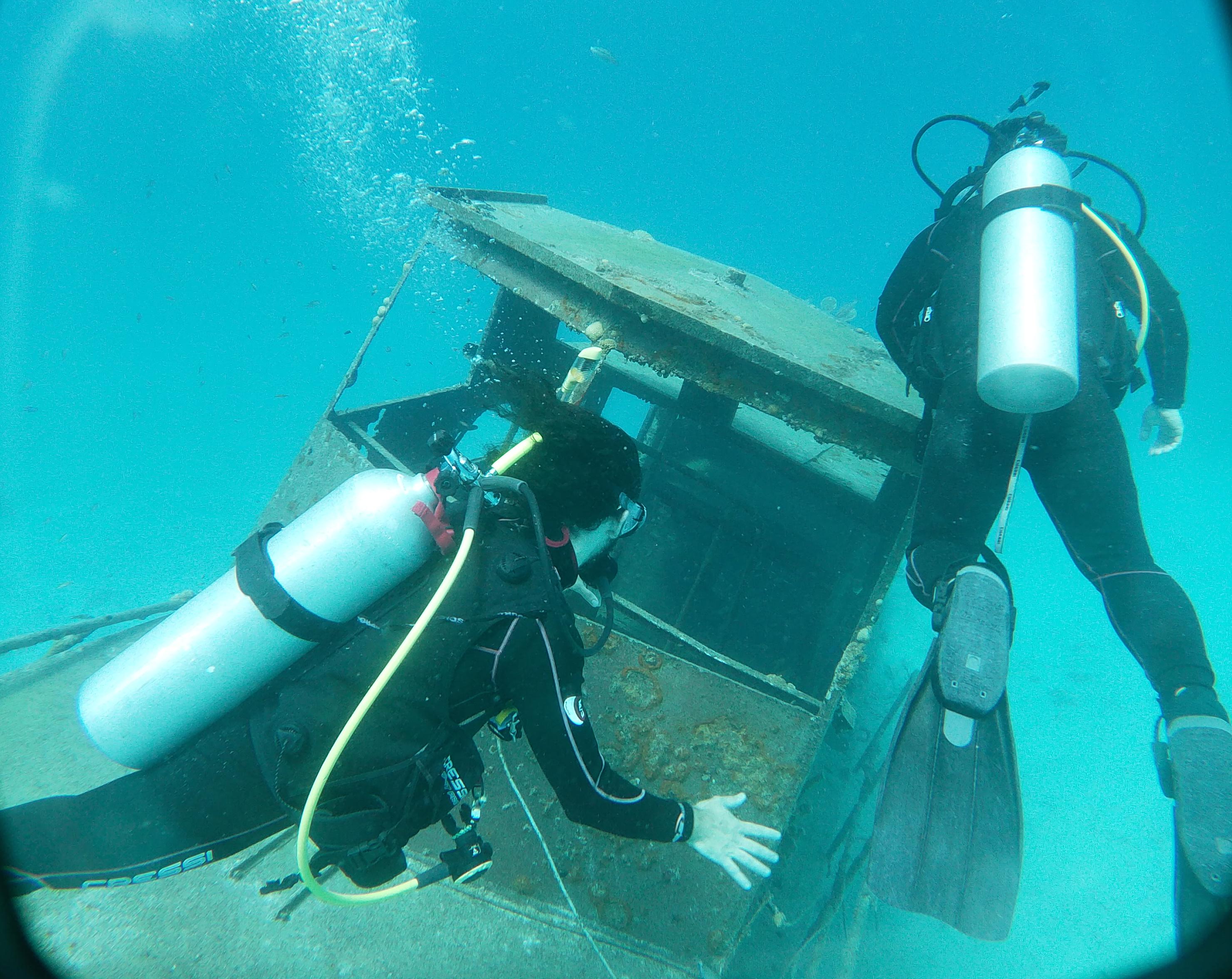
Two-tank shore dive exploring a shipwreck, vibrant reef and a strong-current wall dive.
Reserve
3 hr
Explore a historic wreck teeming with tropical fish and vibrant corals on this guided two-tank dive.
ReservePrices from verified partners. Availability updates in real time at checkout. Free cancellation policies apply where shown.
The landmarks, rooms, and views travelers on this tour remember — all visible on a single visit.
Features intricate coral formations and abundant tropical fish life in shallow, clear water.
One of the largest shipwrecks in the Caribbean resting at 60 feet.
A calm, protected area ideal for shallow dives and marine life observation.
Historical wreck pieces scattered across a sandy bottom perfect for photographers.
Known for its vibrant soft corals and peaceful marine environment.
They complement each other; most visitors who do both call private scuba diving aruba the more thrilling choice for serious enthusiasts, while catamaran tours provide a relaxed social outing. Selecting the right private scuba diving aruba tour allows for customized underwater exploration, whereas group cruises offer a broader, less intimate experience.
| Feature | Top pick Private Diving | Catamaran Cruises |
|---|---|---|
Personalization level |
High — custom itinerary | Low — set route |
Vessel capacity |
1–6 guests | 20–60 guests |
Flexibility of dive sites |
High — chooses based on conditions | Low — fixed mooring locations |
Social atmosphere |
Quiet and secluded | High — music and drinks |
In-water instruction density |
1:1 or 1:2 ratio | 1:8 or higher ratio |
Cost per person |
150–300 USD | 80–130 USD |
| See tickets → |
Verdict: Choose private scuba diving aruba tickets if you prioritize tailored instruction and site selection, while catamaran charters are superior for travelers seeking a festive social environment.
Choose your ticket, select your date, and reserve in under two minutes. Secure checkout handled by our verified partner.
Instant confirmation by email, with a mobile voucher you can save offline. No printing, no queuing at a collection desk.
Arrive at the entrance, show your voucher on your phone, and walk in. Most tickets include priority or skip-the-line access.
Best time to go, insider tips, nearby landmarks, and the cancellation fine print — flip through to skim what matters to you.
How crowds, weather, and events shift across the year.
March to May offers stable temperatures and reduced humidity.
June to August features calm seas perfect for boat and shore dives.
September to November provides warm water temperatures despite occasional rain.
December to February brings breezy conditions but excellent water clarity.
Small details that turn a good visit into a great one.
Always review the local wind forecast to ensure optimal visibility.
Bring physical proof of your dive rating to speed up registration.
Avoid touching coral or marine life during your underwater tour.
Arrive between 08:00 and 10:00 to avoid afternoon gusts.
Drink plenty of water before and after your time in the ocean.
Book through authorized local guides for better site knowledge.
Non-bookable sights within a short walk — free to visit, easy to pair.
Protected area with rugged landscapes and caves.
Historical tower offering panoramic coastal views.
Stone remnants of 19th-century gold processing site.
Small iconic church located on a hilltop.
Flexible, no hidden fees.
Full refunds are available for private scuba diving aruba tours cancelled at least 24 hours in advance. There is no entrance fee for public beach access or shore diving activities.
Hand-picked options within walking distance — pick a district for vibe, or a specific hotel for convenience.
High-end resorts located near major dive shops
Popular area with beachfront hotel options
Central location close to restaurants and docks
Local neighborhood near Mangel Halto dive sites
On 10 May 1940, the German freighter Antilla was scuttled by her own crew off Malmok Beach, and Aruba acquired a 400-foot wreck that still ranks among the largest in the Caribbean. The ship went down in roughly 60 feet of water, close enough to shore that her ribs catch sunlight. Her masts broke the surface for decades. Guides running private scuba diving aruba tours still begin their briefings with her story. Aruba lies 29 kilometres off the Venezuelan coast, outside the hurricane belt. Trade winds arrive from the east almost without pause. That constancy shaped the island's diving map: the windward side is left to the surf, while the leeward southwest coast holds the reefs, the wrecks and the shore entries. Mangel Halto, a mangrove-fringed inlet near Pos Chiquito, drops from ankle-deep seagrass to a sloping reef wall. Hole in the Wall, a swim-through arch nearby, sits deeper on the same system. The wrecks came from war and from policy. The tanker Pedernales was torpedoed by U-156 in February 1942 during the attack on the Lago refinery at San Nicolas; her salvaged midsection was towed away, leaving bow and stern sections in shallow water. The Jane Sea, a 250-foot cement carrier, was sunk deliberately in 1988 as an artificial reef and now rests upright, her hull colonised by gorgonians and encrusting sponge. Together with the Antilla and the Debbie II, they form one of the densest concentrations of accessible wreckage in the southern Caribbean. What distinguishes the island today is access rather than scale. There is no entrance fee for public beach and shore dive access: the shoreline is open, the parking is informal, and a diver with a tank can walk into the water at Mangel Halto or Boca Catalina without a permit. Parke Marino Aruba, the island's marine park, now governs several of these stretches, and mooring buoys have replaced anchoring on the main sites. Staghorn and elkhorn colonies are thin after decades of regional bleaching, but the fish census stays strong: French angelfish, green morays, southern stingrays, barracuda hanging in the current above the reef crest. Visibility is the island's quiet advantage. The water is warm year-round, generally 26 to 28 degrees, and horizontal clarity on the leeward sites frequently runs past 25 metres. That combination explains why aruba private dive charters and small-group buceo privado en Aruba operations have multiplied along the Palm Beach and Savaneta coasts. A single private scuba diving aruba tour can cover a reef slope and a shipwreck in one morning, which is unusual for a destination this compact.

"The shoreline is open: a diver with a tank can walk into the water without a permit."
Private scuba diving aruba tours require advance booking through operators rather than standard tickets.
Photography is encouraged, provided you have waterproof housing for your equipment.
There are no food facilities, so please bring your own water and snacks.
Cancellations for private scuba diving aruba tours are permitted up to 24 hours before your start time.